Exploring Moroccan Food: A Deep Dive into Couscous and Semolina
Wiki Article
Moroccan Food Heritage: Couscous, Semolina, and Middle Eastern Influence
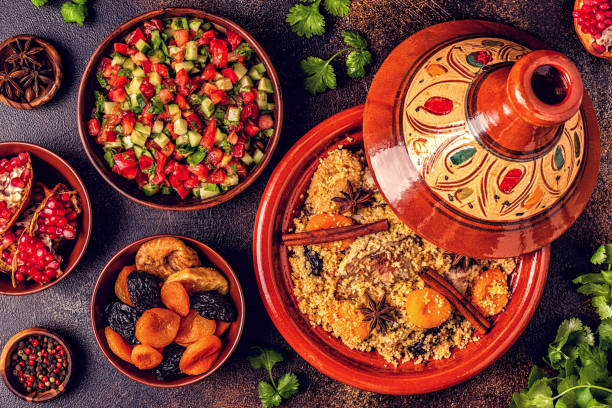
Few culinary traditions are as vibrant and diverse as Moroccan cuisine, which reflects centuries of cultural exchange.
At the heart of this culinary identity lies
Moroccan food,
a rich tradition shaped by history, geography, and trade routes that connected Africa, Europe, and the Middle East.
The culinary heritage of Morocco reflects a unique fusion of local ingredients and global influences.
One of the strongest influences comes from
Middle eastern cuisine,
which introduced techniques, spices, and staple ingredients that remain essential today.
Why Semolina Is Essential in Moroccan Cuisine
Semolina is one of the most important ingredients in Moroccan kitchens.
Derived from durum wheat,
Semolina
is prized for its texture, versatility, and nutritional value.
Used in both savory and sweet recipes, semolina forms the base of many iconic dishes.
It is commonly used in breads, pastries, and especially in couscous preparation, making it an irreplaceable part of Moroccan gastronomy.
Couscous: The Iconic Dish of Moroccan Culture
Among all Moroccan dishes, couscous holds a special place.
Couscous
is traditionally prepared by steaming semolina grains until light and fluffy, then pairing them with vegetables, meat, or legumes.
Couscous is more than a meal—it is a cultural ritual.
This dish reflects the values of sharing, patience, and craftsmanship that define Moroccan food culture.
What Makes Moroccan Couscous Unique
Authentic couscous preparation requires time, skill, and attention to detail.
Moroccan couscous
differs from instant varieties by using a multi-step steaming process that enhances flavor and texture.
Vegetables such as carrots, zucchini, and chickpeas are commonly added.
The result is a balanced meal that reflects the essence of Moroccan culinary philosophy.
Shared Traditions Between Morocco and the Middle East
Centuries of trade and migration shaped Morocco’s food culture.
Middle eastern cuisine
introduced spices, cooking methods, and ingredient combinations that became deeply integrated into Moroccan food.
These culinary connections created a harmonious fusion rather than imitation.
Moroccan food stands out by adapting these influences into something uniquely local.
Moroccan Food in Modern Culinary Culture
Today, Moroccan cuisine enjoys international recognition.
The popularity of
Moroccan food
continues to grow due to its versatility, health benefits, and cultural richness.
Semolina-based dishes appear in both traditional and modern recipes.
Yet, the essence of Moroccan cuisine remains rooted in tradition and authenticity.
The Timeless Beauty of Moroccan Food
Every dish reflects generations of knowledge and craftsmanship.
From semolina-based staples to iconic couscous dishes, Moroccan cooking continues to inspire food lovers around the world.
Each meal offers a connection to culture and history.
Through couscous, semolina, and Middle Eastern influences, Moroccan food remains a timeless culinary treasure.
Report this wiki page